Table of Contents
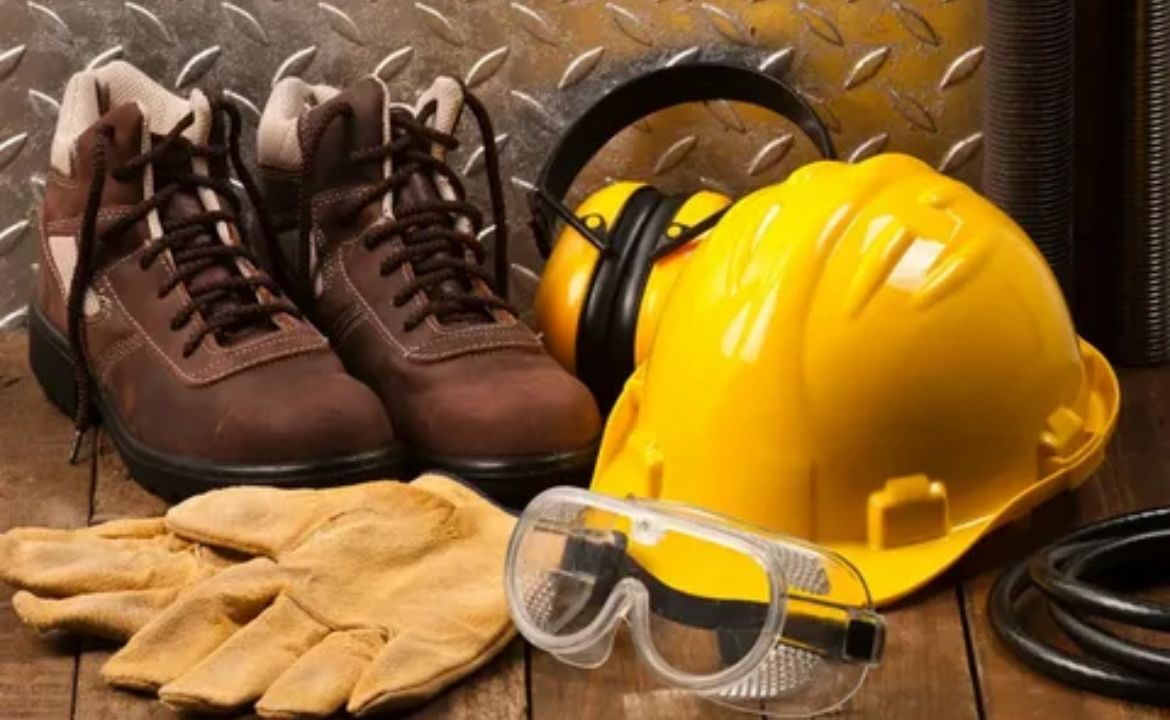
In any work environment, safety is paramount. Personal Protective Equipment (PPE) is a crucial element in ensuring the health and safety of workers across various industries. From construction sites to healthcare facilities, PPE plays a vital role in minimizing risks and protecting individuals from hazards. This blog will explore the importance of PPE, the different types available, and best practices for its use.
The Importance of Personal Protective Equipment
PPE serves as the last line of defense against workplace hazards that could cause serious injuries or illnesses. It is designed to protect workers from physical, chemical, biological, and environmental risks. By wearing the appropriate PPE, employees can significantly reduce their exposure to dangers, contributing to a safer and more productive workplace.
Preventing Injuries and Illnesses
In many industries, workers are exposed to risks that could lead to injuries, such as cuts, burns, falls, or exposure to harmful substances. PPE helps to shield the body from these potential dangers, preventing both immediate injuries and long-term health issues.
Compliance with Safety Regulations
Regulatory bodies, such as the Occupational Safety and Health Administration (OSHA) in the United States, mandate the use of PPE in specific circumstances to protect workers. Compliance with these regulations is not only a legal obligation but also a moral responsibility to ensure worker safety.
Enhancing Workplace Productivity
When employees feel safe, they can focus better on their tasks, leading to increased productivity. Properly fitted and comfortable PPE ensures that workers can perform their duties without distraction or discomfort.
Types of Personal Protective Equipment
Head Protection
Hard hats and helmets are essential for protecting against head injuries from falling objects or impact with stationary objects. These are commonly used in construction, manufacturing, and mining industries.
Eye and Face Protection
Safety glasses, goggles, and face shields guard against hazards like flying debris, chemical splashes, or harmful light radiation. This type of PPE is critical in environments such as laboratories, workshops, and welding stations.
Hearing Protection
Earplugs and earmuffs protect workers from noise-induced hearing loss, which can result from prolonged exposure to high noise levels in industries like construction, aviation, and manufacturing.
Respiratory Protection
Respirators and masks are used to protect against inhaling harmful dust, fumes, vapors, or infectious agents. These are especially important in healthcare settings, chemical plants, and construction sites.
Hand Protection
Gloves protect hands from cuts, abrasions, burns, and chemical exposure. The type of glove used depends on the specific risk, whether it’s from sharp tools, heat, or hazardous chemicals.
Body Protection
Coveralls, vests, and aprons provide full-body protection against hazards such as chemicals, flames, or sharp objects. High-visibility clothing is also crucial in ensuring workers are seen in low-light conditions.
Foot Protection
Safety boots and shoes protect against foot injuries from heavy objects, sharp materials, and slippery surfaces. They often include features like steel toes, slip-resistant soles, and puncture-resistant materials.
Best Practices for Using PPE
Proper Selection
Choosing the right type of PPE for the specific hazard is critical. Conducting a thorough risk assessment helps in selecting the most effective protective gear for the job.
Regular Training
Employees should be trained on the correct use, care, and limitations of their PPE. Regular training sessions ensure that workers understand how to properly wear and maintain their equipment.
Routine Inspections
PPE should be inspected regularly for signs of wear and tear. Damaged or worn-out equipment must be replaced immediately to maintain its protective capabilities.
Ensuring Proper Fit
PPE must fit correctly to be effective. Ill-fitting gear can be uncomfortable and may not provide the necessary level of protection, increasing the risk of injury.
Encouraging a Safety Culture
Promoting a culture of safety within the workplace encourages employees to consistently use PPE and report any safety concerns. This collective responsibility ensures a safer working environment for everyone.
Conclusion
Personal Protective Equipment is an essential component of workplace safety. By protecting workers from potential hazards, PPE helps prevent injuries, ensures regulatory compliance, and fosters a culture of safety. Employers and employees alike must prioritize the proper selection, use, and maintenance of PPE to create a safe and productive work environment. As technology and safety standards evolve, staying informed about the latest PPE innovations and practices will continue to be key in safeguarding worker health and well-being.

