Table of Contents
In industries where precision, reliability, and durability are non-negotiable, the components that make up a piping system play a crucial role. From manufacturing plants to pharmaceutical labs, tubes, valves, and fittings are the silent heroes behind seamless operations. This Tubes, Valves, and Fittings blog will break down their importance, how they work together, and why understanding their differences matters.
Understanding the Basics
Tubes are hollow cylindrical components used to transport fluids, gases, or solids. They can be made from a variety of materials like stainless steel, copper, plastic, or alloy metals. The choice of material and wall thickness often depends on the application—whether it’s for medical-grade purity or industrial robustness.
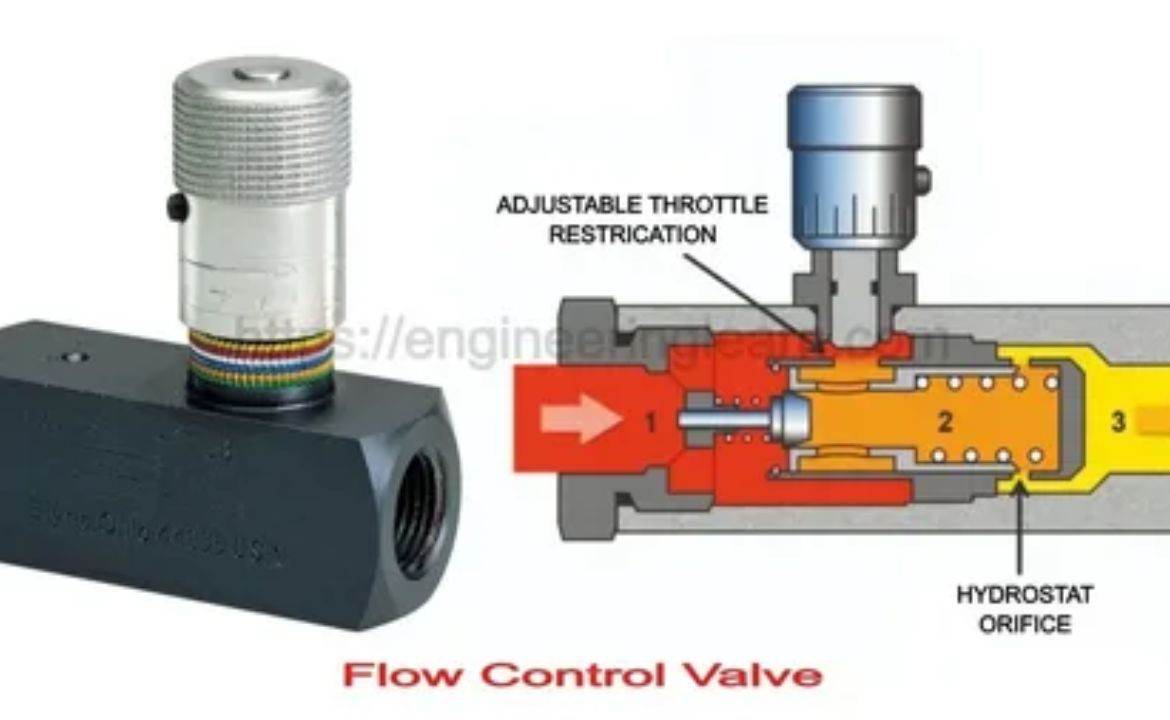
Valves control the flow and pressure within a system. From simple on/off mechanisms like ball valves to more complex control valves that adjust pressure, flow, or direction, valves are essential in maintaining process accuracy and safety.
Fittings connect tubes and allow for configuration changes like direction, diameter, or branch flow. They include elbows, tees, reducers, and couplings—all of which come in threaded, welded, or compression types to suit different systems.
Why the Right Components Matter
Selecting the correct combination of tubes, valves, and fittings ensures system integrity. Mismatched or subpar components can lead to leaks, contamination, or complete system failures. Proper selection also reduces maintenance costs and improves overall efficiency.
For instance, high-pressure hydraulic systems require reinforced tubing and heavy-duty valves, whereas food-grade systems prioritize sanitary fittings and smooth inner surfaces to prevent bacterial buildup.
Applications Across Industries
Whether you’re in oil & gas, aerospace, food and beverage, or healthcare, these components are vital. The pharmaceutical industry demands cleanroom-certified tubing and aseptic valves. In contrast, chemical plants may require corrosion-resistant fittings to handle aggressive fluids.
Understanding the specific demands of your sector allows for better decisions when designing or maintaining fluid systems.
Innovations and Future Trends
With rising demand for smarter, more efficient systems, the world of tubes, valves, and fittings is evolving. We’re seeing more adoption of:
- Smart valves with IoT sensors for real-time monitoring
- Modular fittings that allow quicker assembly and disassembly
- Eco-friendly materials that reduce environmental impact
Staying updated through a Tubes, Valves, and Fittings blog helps professionals keep pace with these technological advancements and apply them in the field.
Final Thoughts
These components might seem small, but they’re the backbone of countless critical systems. Investing time in understanding tubes, valves, and fittings can pay dividends in system performance, safety, and longevity. Whether you’re designing a new layout or upgrading an old one, the right knowledge will ensure that your system flows smoothly—literally.

