Table of Contents
At first glance, natural sea sponges may seem unremarkable—soft, porous tools used in bathing, cleaning, or painting. But beneath their humble appearance lies a fascinating world of biological marvels, ancient survival, and sustainable potential. Natural sea sponges are not just useful household items; they are living relics of Earth’s earliest life forms and quiet heroes of marine ecosystems.
1. They’re Animals, Not Plants
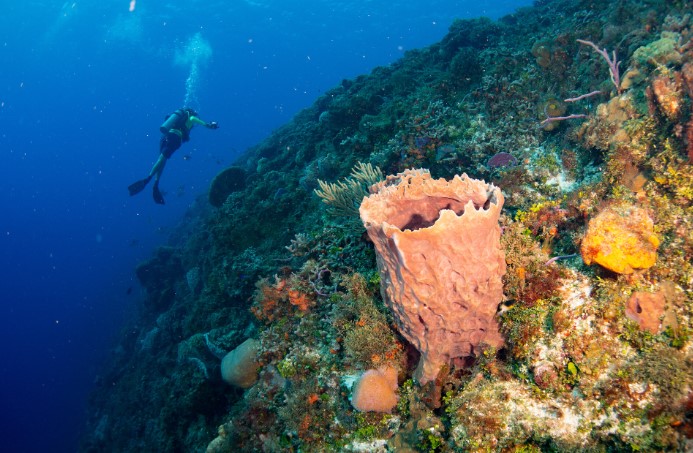
Many people mistake natural sea sponges for plants or coral. In truth, they are simple multicellular animals belonging to the phylum Porifera, meaning “pore bearer.” They lack organs, brains, or nerves, but they are very much alive, drawing in water through tiny pores to extract nutrients and oxygen.
2. Ancient Survivors of the Deep
Sea sponges have been around for more than 600 million years—making them one of the oldest known living animal groups. Fossil records show that they predate dinosaurs, flowering plants, and even insects. Their structure and survival mechanisms are so effective, they’ve barely changed over the millennia.
3. Natural Water Purifiers
A single sea sponge can filter thousands of liters of water each day. They feed by pumping water through their bodies, trapping bacteria and microscopic particles. This natural filtration not only benefits the sponge but plays a vital role in cleaning and balancing marine ecosystems.
4. A Renewable Resource
When harvested sustainably, natural sea sponges can regrow from the same base left on the ocean floor. This regenerative ability allows divers to collect sponges without destroying the population. In fact, properly harvested sponges often regrow larger and healthier, making them an eco-friendly alternative to synthetic sponges.
5. Superior Qualities for Daily Use
Natural sponges are hypoallergenic, biodegradable, and incredibly durable. Their soft texture is perfect for sensitive skin, baby care, and gentle exfoliation. Unlike synthetic sponges, they contain no artificial chemicals or plastics, and their enzymes help prevent bacteria buildup.
6. Microbial Marvels and Medical Potential
Within the sponge’s porous structure lives a rich community of symbiotic microorganisms. These microbes produce unique bioactive compounds with antibacterial, antiviral, and anticancer properties. Scientists are exploring these natural chemicals for use in future medicines, including treatments for tumors and infections resistant to antibiotics.
7. Climate Threats and Conservation
Despite their resilience, sea sponges are vulnerable to climate change, ocean acidification, and pollution. As vital parts of coral reef communities, their decline could impact biodiversity and water quality across marine habitats.
Conclusion
Natural sea sponges are far more than bath-time luxuries. They are ancient engineers of the sea, guardians of water quality, and potential keys to medical breakthroughs. As we continue to explore their secrets, one thing becomes clear: in their quiet, porous way, sea sponges are helping sustain life both above and below the waves.


